Current 1.5 kva inverter price in nigeria (2026 Budget Guide)
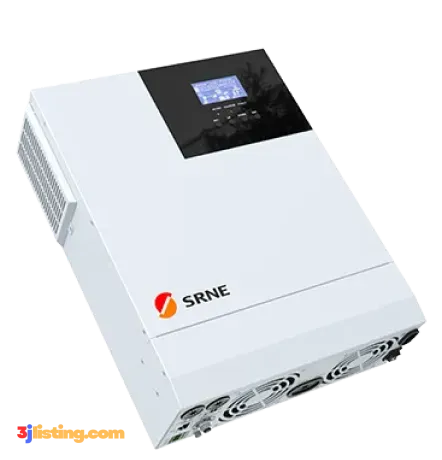
Staying in Nigeria without an alternative power supply is becoming almost impossible. With the constant national grid collapses and the skyrocketing price of fuel, running a generator daily will easily drain your business profits or monthly salary. That is why many families are actively looking for the current 1.5 kva inverter price in nigeria to escape the noise and smoke of generators.
An inverter setup provides a clean way to keep your essential home appliances running when the electricity grid fails. This guide will break down the latest prices of top brands in the market, explain what this capacity can carry, and point out the traps you must avoid when setting up your backup power system.
What is a 1.5 kVA Inverter and How Does It Work?
Let us break down what this machine does in simple terms that anyone can understand. An inverter is an electronic device that takes electrical energy from a battery bank and changes it into the type of current your regular home appliances can use.
The rating 1.5 kVA stands for kilo-volt-amperes. In real-world terms, a 1.5 kVA inverter gives you roughly 1200 watts of continuous electrical power. It is an entry-level capacity built specifically for small apartments, flats, or small business offices.
When public power goes off, the inverter automatically takes over your home load within a fraction of a second. You will not even notice a blink in your light bulbs or your television screen. It works quietly in a corner of your home without requiring any fuel or manual pulling strings.
Why Buying a 1.5 kVA Inverter System Matters
If you are still calculation the cost of buying an inverter versus buying a traditional generator, you need to look at your long-term daily expenses. Buying this capacity offers distinct financial advantages for ordinary households.
To begin, it completely eliminates your daily petrol bills. Fuel prices are making people look for creative alternatives. Once you buy an inverter, your only operational cost is the small amount of power it takes from the grid to recharge its batteries.
Furthermore, it provides a quiet environment for your family. Noisy generators cause friction between neighbors and disturb sleeping babies. An inverter operates in total silence, which makes it perfect for estate residents and remote workers who do video meetings from home.
Another major reason to consider this setup is the protection it offers your sensitive gadgets. Good quality inverters supply steady voltage without fluctuations. This means your expensive smart televisions, laptops, and home theaters are completely safe from power surges.
What is the Current 1.5 kva inverter price in nigeria?
The electronics market in places like Alaba, Ikeja Computer Village, and major retail shops changes frequently due to importation costs. However, we have tracked the market to give you accurate benchmark rates for your budgeting.
Right now, a standalone 1.5 kVA inverter machine alone costs between ₦190,000 and ₦450,000. The huge gap in cost depends entirely on whether it is a basic model or a hybrid solar model that connects directly to solar panels.
To help you see how the top brands compare against each other, here is a detailed breakdown of their estimated retail prices in Nigeria:
| Inverter Brand & Model | System Type | Estimated Price Range (Naira) |
|---|---|---|
| Sukam Falcon 1.5kVA / 12V | Pure Sine Wave (Standard) | ₦220,000 – ₦270,000 |
| Mercury 1.5kVA Hybrid MPPT | Solar Hybrid (24V) | ₦259,000 – ₦290,000 |
| Luminous Eco Watt 1.5kVA / 24V | Pure Sine Wave (Standard) | ₦320,000 – ₦370,000 |
| Felicity Solar 1.5kVA / 12V | Pure Sine Wave (Standard) | ₦230,000 – ₦260,000 |
| Luminous Solar Hybrid 1.5kVA | Solar Hybrid (24V) | ₦390,000 – ₦450,000 |
| Cloud Energy 1.5kVA Low Freq | Pure Sine Wave (Standard) | ₦193,000 – ₦225,000 |
You must remember that the prices listed above are for the inverter box alone. To get a functional system, you must budget for batteries, installation cables, a safety breaker box, and engineering labor fees.
Sukam 1.5 kVA Inverter Options
Sukam has been a reliable brand in the Nigerian market for over a decade. Their Falcon series is highly regarded for its physical durability and quick switching speed. A standard 12V Sukam unit costs around ₦240,000, and it is a fantastic choice if you want a reliable system that works with just a single battery.
Mercury 1.5 kVA Inverter Options
Mercury offers some of the most affordable hybrid options available today. Their 1.5 kVA hybrid system comes with a built-in MPPT solar charge controller. This allows you to plug your solar panels directly into the machine without buying a separate controller box. It goes for about ₦260,000, making it highly attractive for solar starters.
Luminous 1.5 kVA Inverter Options
Luminous is an premium Indian brand that dominates many Nigerian homes. Their units are famous for intelligent battery charging software that helps extend your battery lifespan. Their 24V regular machine costs roughly ₦340,000. It requires two batteries, which means your total setup cost will be higher, but you will enjoy double the power backup time.
What Are the Features and Types of 1.5 kVA Inverters?
Before you hand over your money to an installer, you must understand the different internal technologies inside these machines. This will help you avoid buying an outdated product.
Pure Sine Wave vs Modified Sine Wave
Pure sine wave inverters produce electricity that matches or beats the quality of power from the public grid. It is completely safe for all electronic systems. Modified sine wave units are cheaper but they produce a choppy type of electricity. They make your ceiling fans hum loudly and can fry the sensitive power packs of laptops over time.
Standard Inverters vs Solar Hybrid Inverters
A standard inverter only recharges its batteries using electricity from your prepaid meter. A hybrid inverter is smarter because it has built-in terminals for solar panels. It can mix power from the sun and the grid simultaneously, reducing your monthly electricity tokens drastically.
12V Systems vs 24V Systems
A 12V model runs on exactly one 12-volt battery. This keeps your entry budget very low. A 24V model requires two 12-volt batteries connected in a sequence. While the 24V system costs more because you are buying two batteries, it performs better and carries the load with less strain on the wiring system.
How to Choose the Best 1.5 kVA Setup and Calculate Your Load
An inverter system will serve you well only if you do not overload it. To choose the right setup, you must list out every single appliance you plan to connect and look at their wattage labels.
Let us perform a realistic load calculation for a typical Nigerian apartment using a 1.5 kVA system:
- 3 Energy-saving LED bulbs: 45 watts total
- 2 Standing fans: 120 watts total
- 1 LED Smart Television: 80 watts total
- 1 DSTV Decoder: 25 watts total
- 1 Laptop computer: 65 watts total
Adding everything together gives you a total load of 335 watts. Since your 1.5 kVA inverter has a maximum running capacity of around 1200 watts, running a 335-watt load means the machine will operate comfortably at less than 30% capacity. This ensures your system lasts long without tripping off.
What Are the Common Mistakes People Make When Buying an Inverter?
Many Nigerians complain that their inverter systems died after just a year of usage. In most cases, the problem is not the machine itself but bad habits during installation and daily usage.
The most devastating mistake is connecting high-heating appliances. Never try to use an electric iron, water boiling ring, microwave, or hair dryer on a 1.5 kVA inverter. These appliances draw massive amounts of current instantly and will damage your internal inverter components or blow the fuses immediately.
Another regular error is mixing old and new batteries. When one battery gets weak in a 24V system, some owners buy only one new battery to replace it. The old, weak battery will quickly drain the energy from the new one, ruining your investment within a few months. Always replace your batteries together as a pair.
Lastly, people often **ignore proper ventilation**. Inverters and batteries generate internal heat when working hard or charging. Placing them inside an unventilated, tight wardrobe will cause them to overheat. Ensure your system sits in a cool, airy spot in your home to keep it performing at its best.
Frequently Asked Questions About 1.5 kVA Inverters in Nigeria
Can a 1.5 kVA inverter power a refrigerator or deep freezer?
It is highly risky to run a standard refrigerator on this size of inverter. Refrigerors have compressors that require a very high starting current, often three times their running power. While it might work for a few minutes, it will strain the system and eventually damage your inverter board. Stick to fans, TVs, and light bulbs.
How many batteries do I need for a 1.5kVA system?
The number of batteries depends heavily on the voltage design of the machine you buy. If you purchase a 12V inverter, you need exactly one battery. If you buy a 24V inverter model, you must install two batteries. Most technicians recommend using 200Ah deep-cycle tubular or gel batteries for a decent backup duration.
How many hours will a 1.5 kVA inverter stay on with a single battery?
If you connect a single 200Ah battery and run a basic load of two standing fans, one TV, and a few lights (around 250 watts), your system should comfortably give you between 6 and 8 hours of continuous backup time. If you reduce the load to just lights and a laptop, it can last much longer.
What is the difference between tubular batteries and lithium batteries?
Tubular batteries are lead-acid based, heavy, and last around 3 to 5 years if managed well. They require occasional topping up with distilled water. Lithium batteries are modern, completely maintenance-free, and can last over 10 years. However, a single lithium battery can cost more than double the price of a tubular battery.
Can I charge my inverter batteries with a regular generator?
Yes, you can charge your batteries using a generator, but your generator must output stable voltage and clean power frequency. Small "I pass my neighbor" generators usually have unstable voltage outputs that can confuse or damage the sensitive charging circuits inside your inverter box.